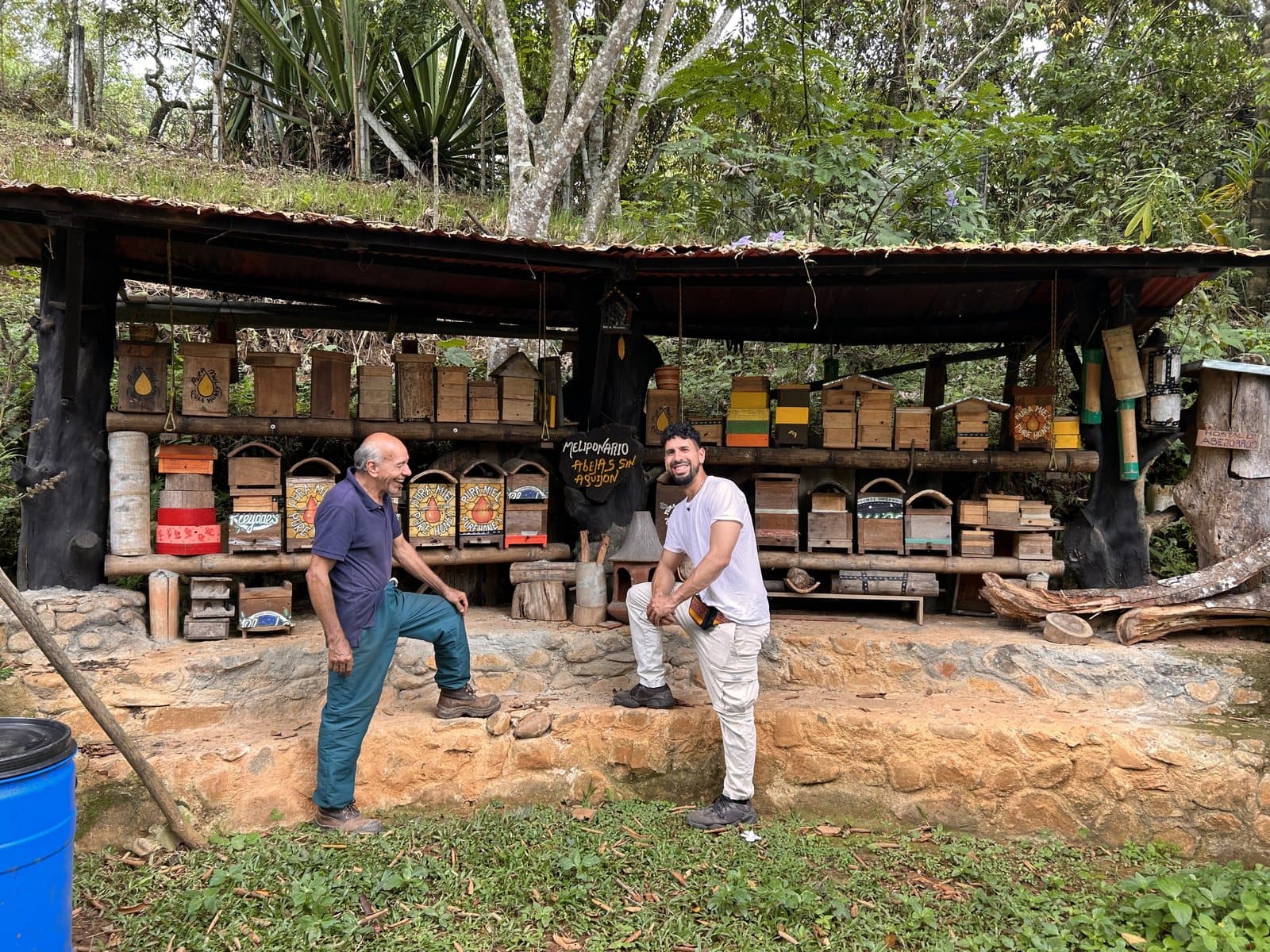
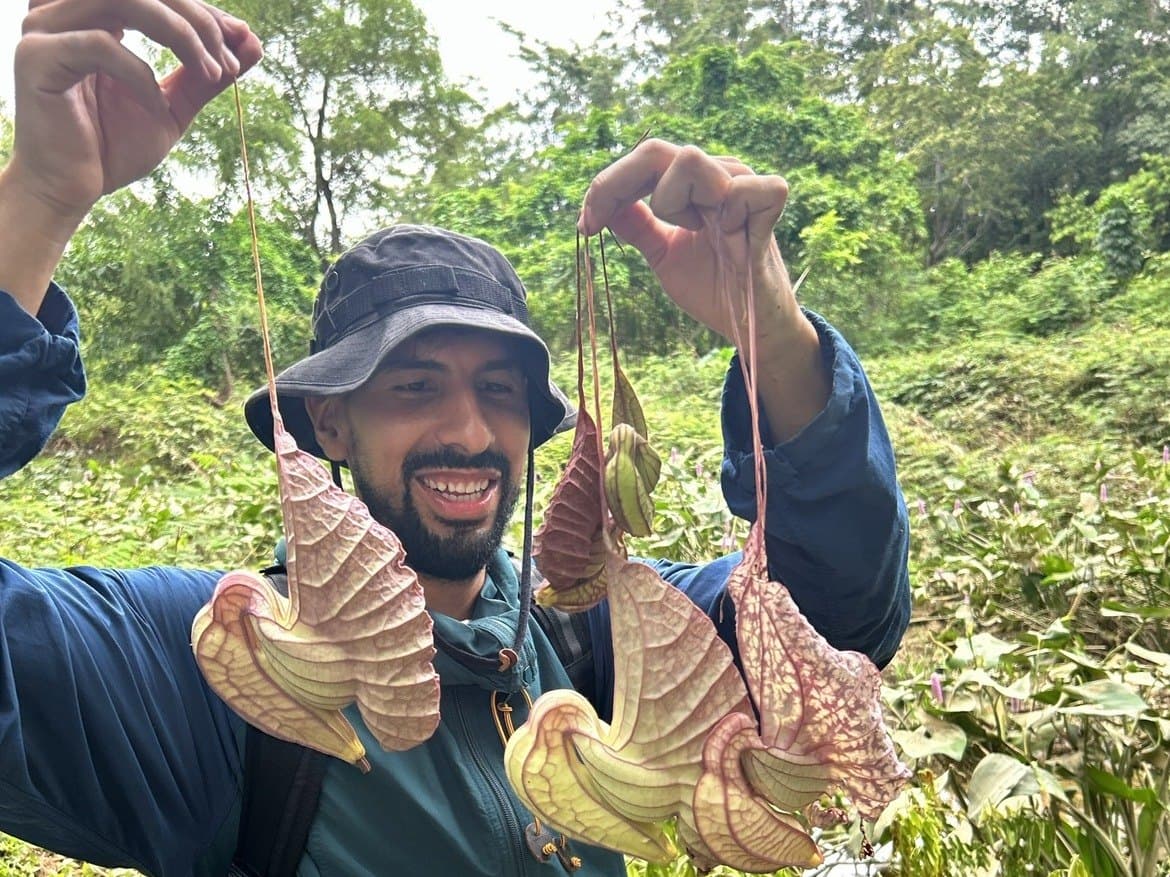
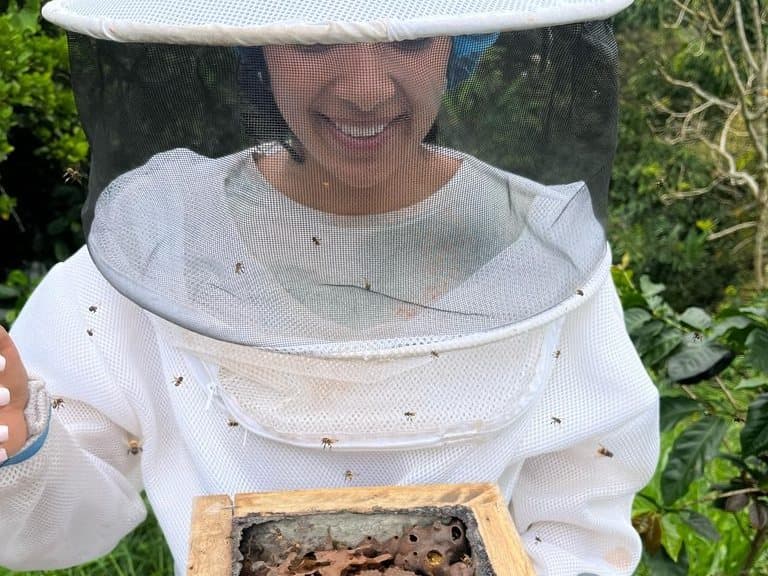
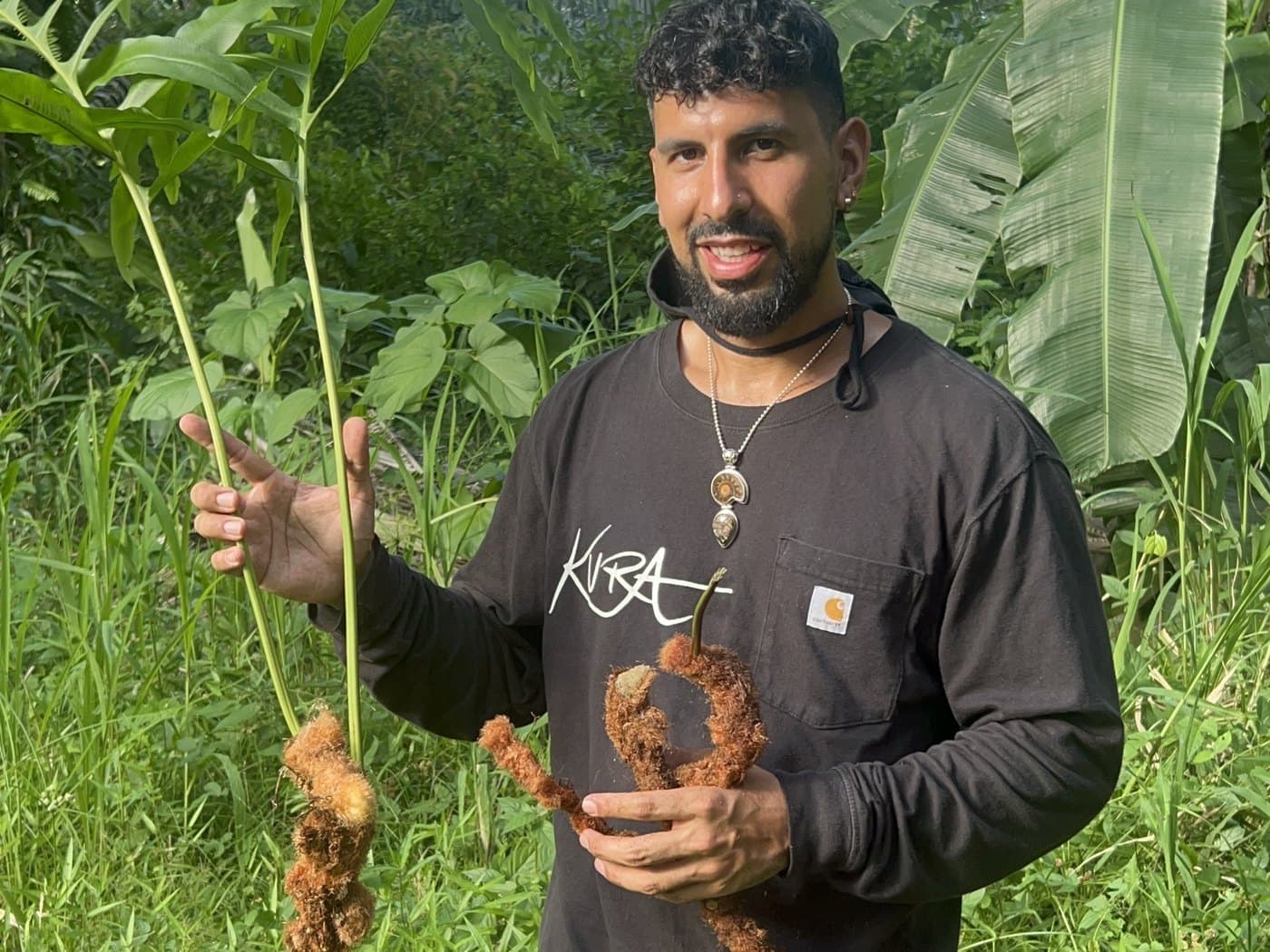
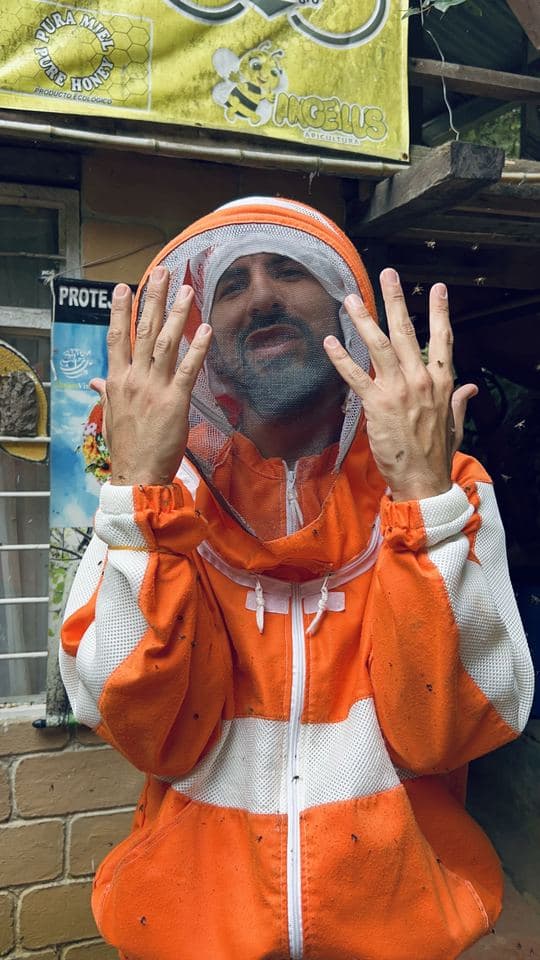
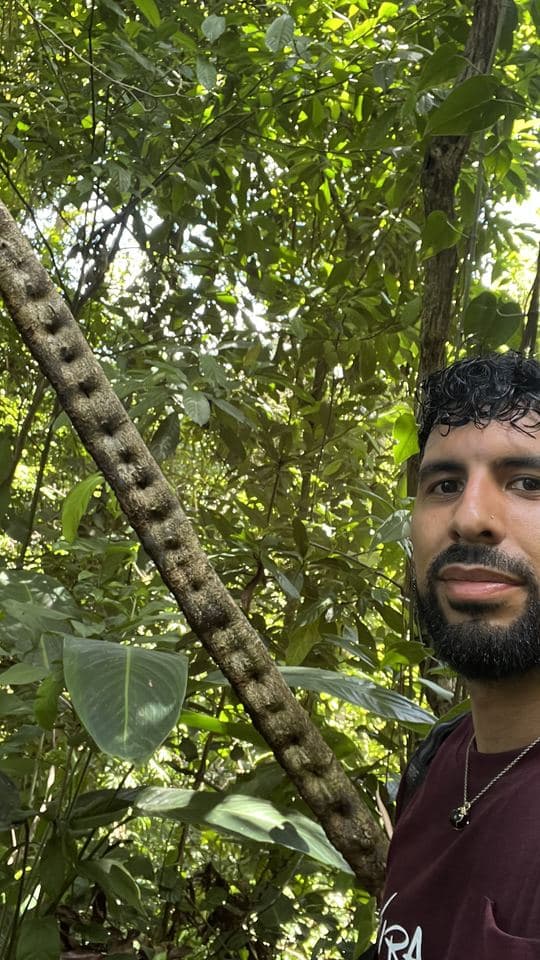
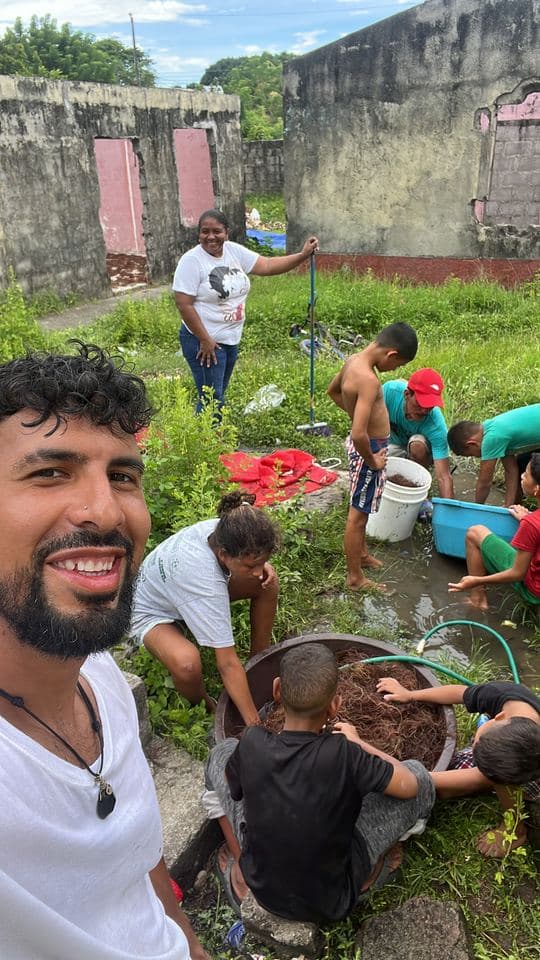
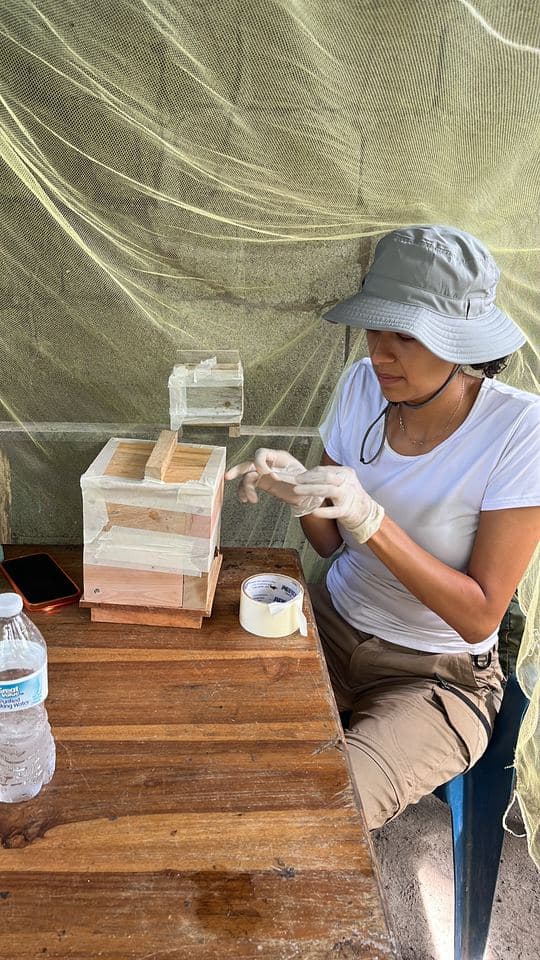
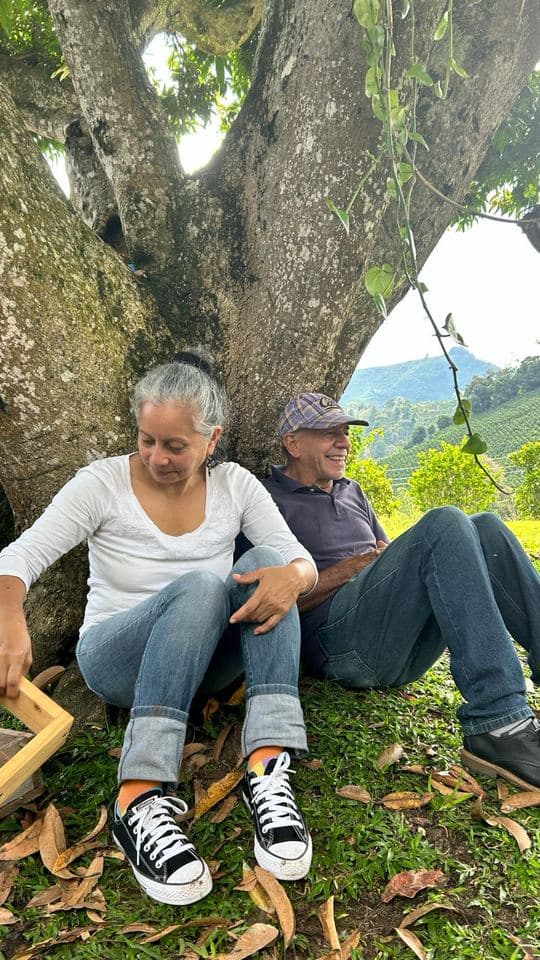
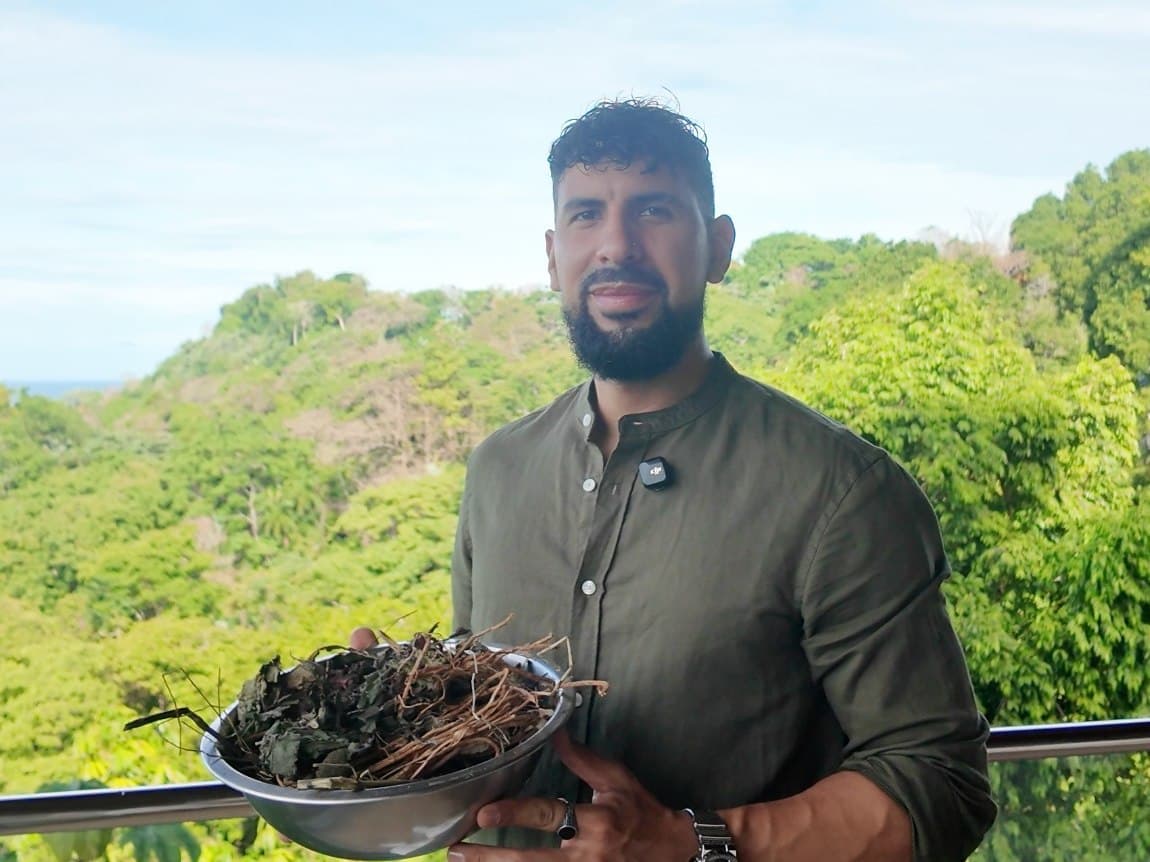
Colombia has become one of the most important places in Kura's work with stingless bees. Chris has travelled to different regions and built relationships with several beekeepers, including mentors with decades of experience. Through workshops and hands-on learning he has studied different stingless bee species, hive construction, colony care, honey storage, resin pots, and harvesting.
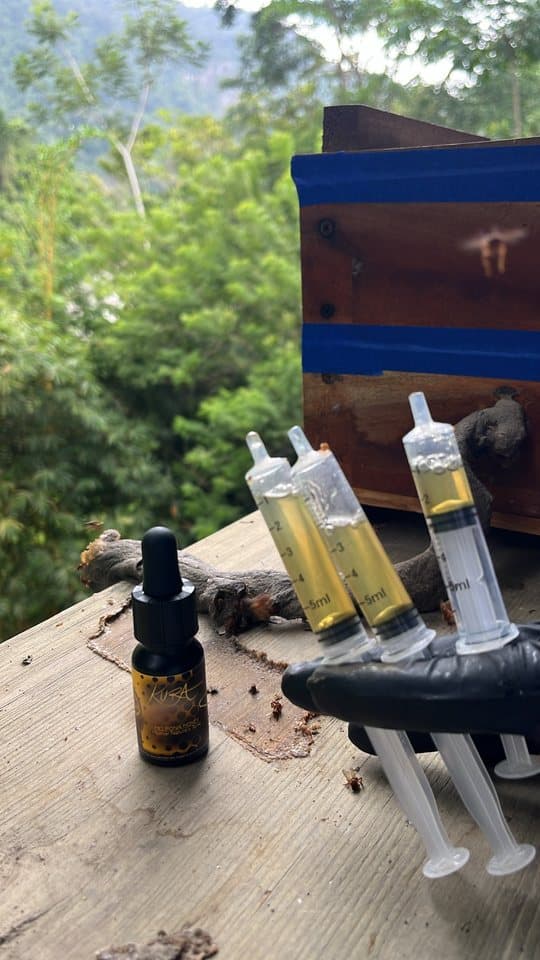
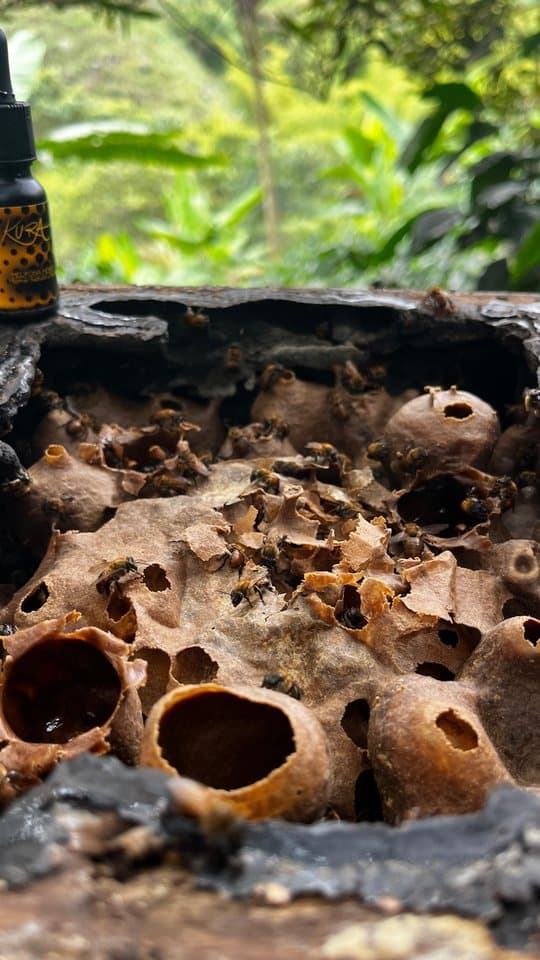
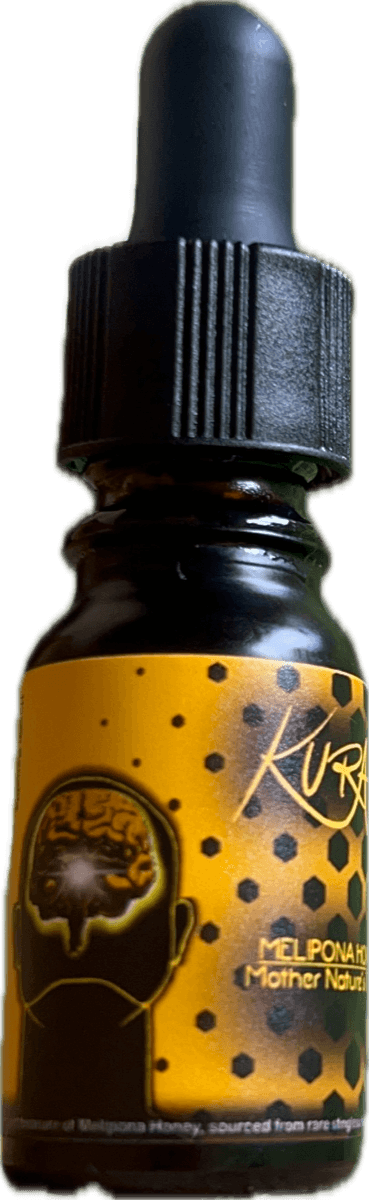
Stingless Bee Honey has a long history of traditional use in eye care among Indigenous communities throughout Central and South America. That traditional use is part of why the harvesting, handling, and quality of the honey matter so much to Kura: Chris learned to open the honey pots carefully and draw the honey directly, using syringes, gloves, and careful handling throughout.
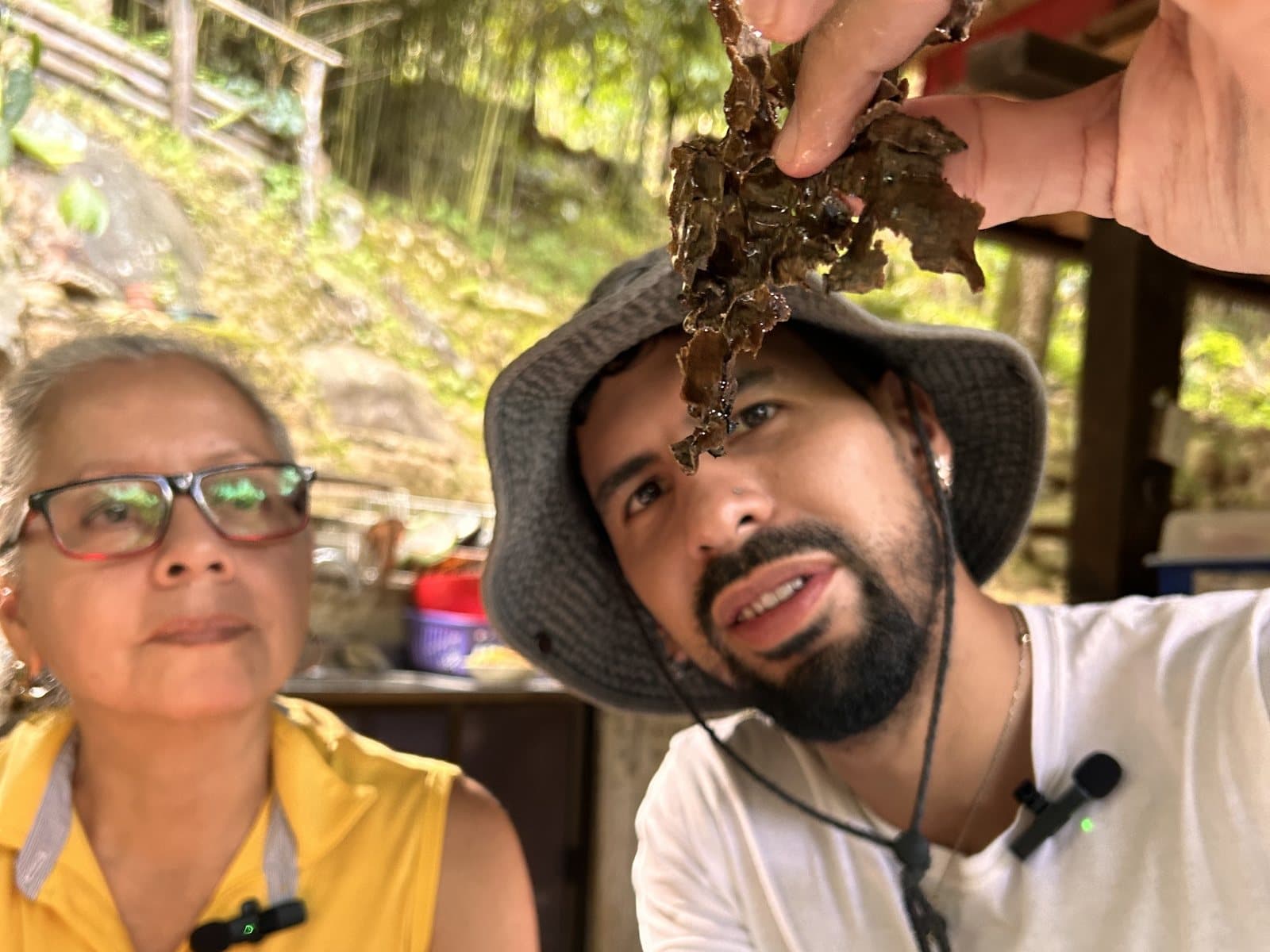
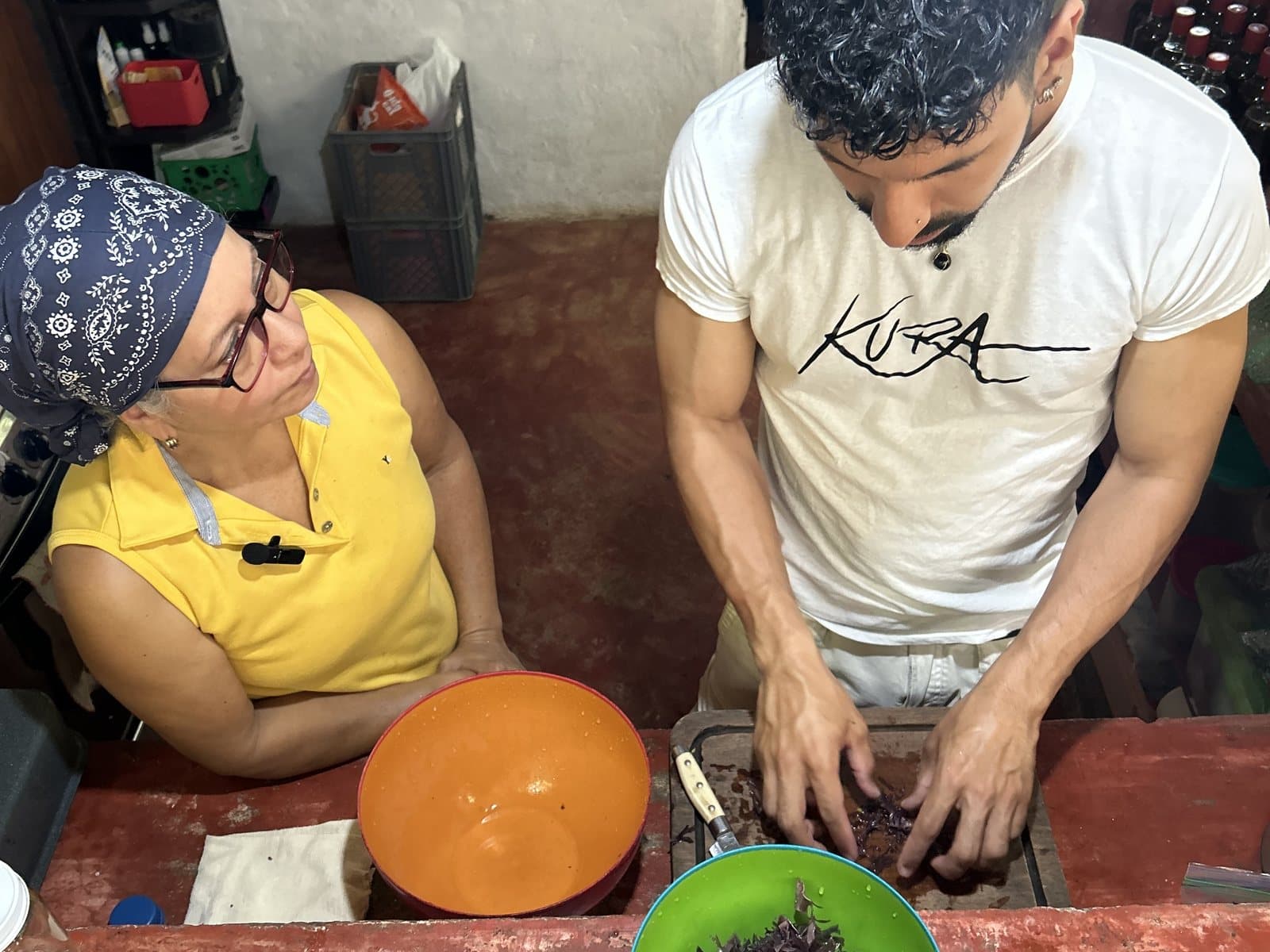
The honey is only part of it. Kura also sources materials for its salve here, including coconut oil and the hive material commonly described as wax or cerumen. Unlike the familiar wax made by honeybees, stingless bees build their hive structures from mixtures of wax and plant resins, including propolis-like materials.
Learning about those resins opened another part of the story: understanding what the bees collect from the plants around them, how those materials help protect the colony, and why resin-rich hive materials have traditionally been valued for topical preparations.
Because stingless bee honey is produced in relatively small quantities, responsible sourcing means working with several small bee farms rather than putting pressure on a single colony or beekeeper.
What he learned
Meliponiculture, stingless bee species, hive management, careful honey harvesting, bee wax and plant resins, traditional topical preparations, and responsible sourcing.